
Baseline demand
Ask which bills, interval data and seasonal patterns were used. A care home operates through the night, but electrical and thermal demand still change across the day and year.
A good investment case does not need to hide its assumptions. It needs to connect technical design, operating demand and capital planning in a way your team can interrogate.
 From proposal to decision
An estimate is only as useful as the inputs behind it. The strongest financial discussion begins with the home’s actual patterns of energy use.
Ask which bills, interval data and seasonal patterns were used. A care home operates through the night, but electrical and thermal demand still change across the day and year.
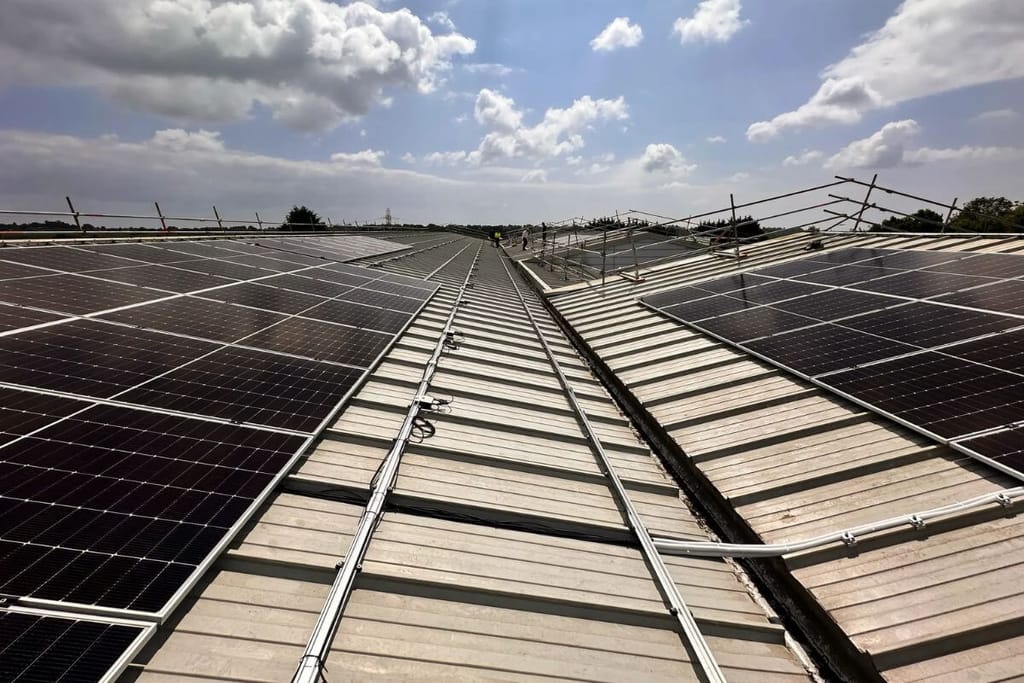
For solar, distinguish electricity expected to be used on site from any export assumption. Roof geometry, shading and available electrical infrastructure affect the model.
Check what the price includes: surveys, enabling works, grid-related requirements where relevant, commissioning, monitoring, training and future maintenance.
Consider what happens if tariffs, demand, occupation or programme dates differ from the central estimate. A range can be more useful than one precise-looking figure.
A heating replacement, roof renewal or extension may change both the economics and the order of work. Looking at renewables in isolation can lead to duplicated access costs or prematurely fixed designs.
We can discuss technical scope and phasing with your finance and estates teams. Funding structures, tax treatment and accounting decisions need independent advice from your qualified advisers.
Compare the structure, responsibilities and long-term obligations of any funding approach; assess offers on their own terms with your advisers.
Eligibility and treatment depend on current rules and your circumstances. Ask your tax adviser to assess any potential relief rather than treating it as a guaranteed project benefit.
Include expected upkeep, warranties and component lifetimes in the whole-life review. Clarify who responds when a system needs attention.
How much generated electricity could the home use as it is produced, and what roof and electrical conditions support the design?
Explore solar PVWhat operating pattern or tariff arrangement would storage serve? Model charging and discharge against realistic site demand.
Explore battery storageWhat are the building's heat losses, flow temperatures and hot-water requirements? Any financial model must reflect the proposed system design.
Explore heat pumpsWho is likely to charge, when and at what rate? Electrical capacity, access and payment arrangements can shape the scope.
Explore EV charging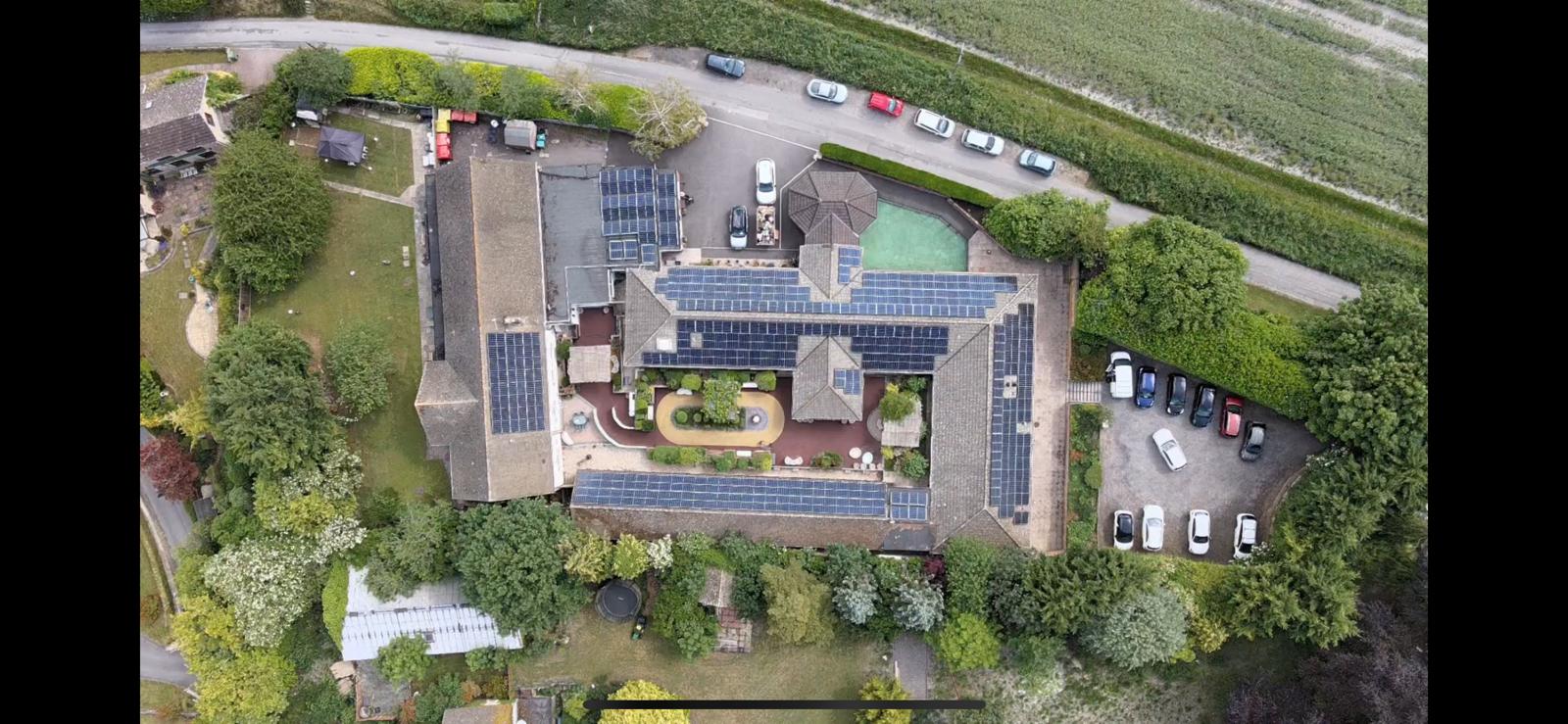
For a group, the first site is not necessarily the one with the biggest roof. Data quality, planned works, infrastructure and ease of delivery all shape what is practical.
A portfolio review can establish a common method for comparing homes while keeping individual site assumptions transparent.
Explore multi-site planningIf a proposal needs scrutiny or an investment programme needs a starting point, let’s talk through the inputs, constraints and decisions that matter.
Discuss your care home