
A named point of contact
The home should know who is coordinating the works, who to speak to on the day and how changes to the plan will be communicated.
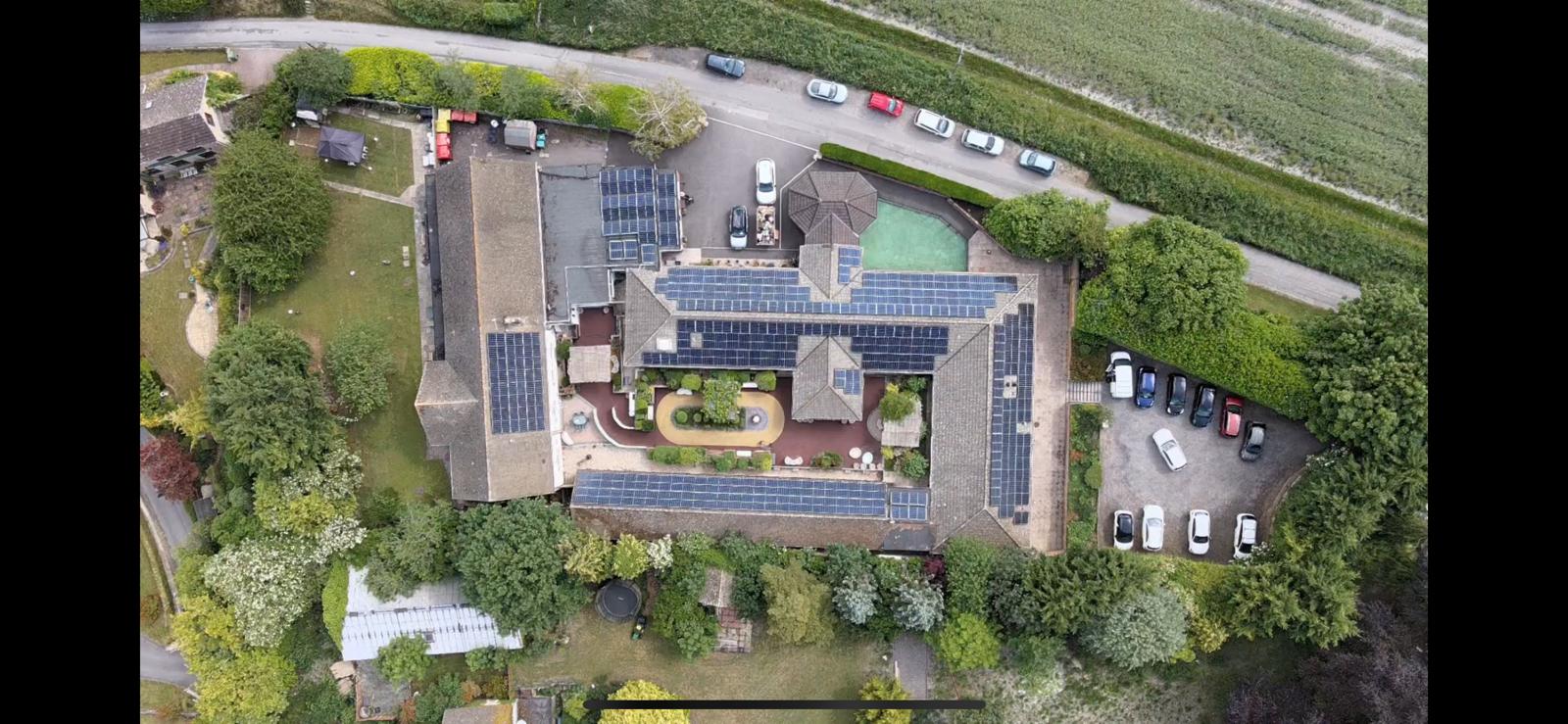
An energy project may be planned on drawings, but it happens in bedrooms, corridors and shared spaces that are part of someone's everyday life.
 Care comes first
Managers know which times are busiest, which spaces need particular sensitivity and how to communicate change in a reassuring way. That knowledge belongs in the programme from the beginning, not as a last-minute adjustment.
We work with the operational team to understand access, noise, deliveries and any proposed service interruption. The aim is to make decisions in the context of care, not simply construction convenience.
Planning work around a live home“Would this plan still make sense if it were happening in someone’s own home?”
A question to bring into scheduling, access and communication—not a substitute for the home's own risk assessment or care planning.The home should know who is coordinating the works, who to speak to on the day and how changes to the plan will be communicated.
Discuss mealtimes, medication rounds, visiting, rest and activities so intrusive tasks can be scheduled with more care.
Agree working boundaries, deliveries, storage and routes so residents, visitors and staff can continue to move through the home appropriately.
If a service needs to be interrupted, agree the impact, timing and contingency with the people responsible for the home before work begins.
Temperature, air movement and control all affect how a room feels. Different spaces may have different needs, and staff should be able to understand and use the systems intended to support them.
Heating and cooling design should consider the whole home: bedrooms, communal areas, staff spaces, building fabric and the way rooms are used over the day.
Explore resident comfortBuilding works should be considered alongside the home's existing governance, policies and individual needs.
A well-managed environment matters in care, but installing technology does not itself demonstrate or guarantee any inspection outcome. The provider remains responsible for its own standards and evidence.
Some residents may be especially sensitive to heat, cold, noise or disruption. The home should identify relevant needs and decide how work is communicated and managed.
Controls and handover should be clear to the people using the building, including what to do if something does not feel right.
How we workA site conversation can establish which improvements are possible and what practical constraints need to be respected.
Explore retrofitThe best project plan starts with the people who know the residents, routines and building. We would welcome that conversation.
Discuss your care home